History of the Mridangam
The origins of the mridangam are deeply rooted in Indian mythology. According to legend, Lord Nandi—the divine attendant of Lord Shiva—was a master percussionist who played the mridangam during Shiva’s cosmic Taandav dance. Another myth suggests that the instrument was created to replicate the thunderous sound of Indra, the king of gods, as he travelled through the heavens on his elephant Airavata. Because of these divine associations, the mridangam is revered as the “Deva Vaadyam”, or the instrument of the gods.
Indian music reflects over 3,000 years of cultural evolution shaped by Aryan migration, Islamic influence, and British rule. Each period introduced new musical ideas and techniques, which were gradually absorbed into a uniquely Indian synthesis. This is evident in the structure of ragas and talas, where indigenous traditions blend seamlessly with influences from the Middle East, especially during the Islamic period.

Indian music exists in many forms—classical, folk, and popular—and is primarily represented by two classical systems: Hindustani music of North India and Carnatic music of South India. India’s vast cultural diversity has led to an equally rich variety of musical instruments, each shaped by regional traditions, languages, and performance practices.

Most Indian musical instruments evolved gradually from simple rhythmic tools into highly refined instruments. Early tribal instruments were basic and limited in pitch, but as societies advanced, musical demands increased. Over centuries, instruments like the mridangam developed the ability to produce complex tones, varied pitches, and intricate rhythmic patterns.

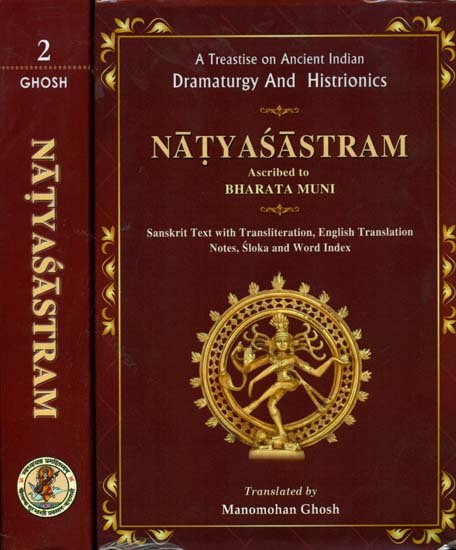
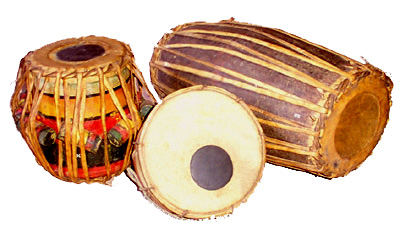
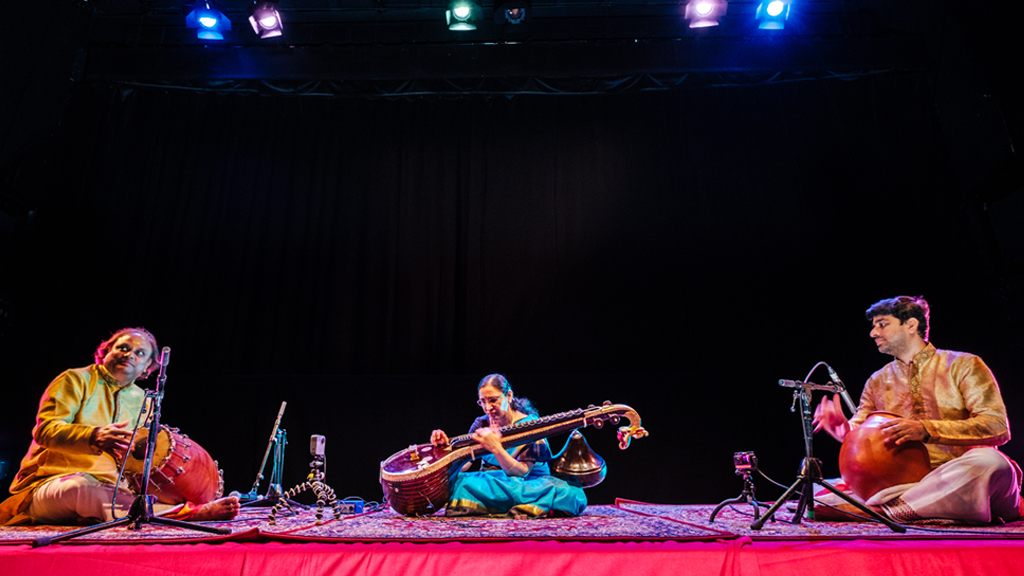
Ancient texts classify musical instruments into four categories: Thatha (string), Avanaddha (membrane), Sushira (wind), and Ghana (solid). The mridangam belongs to the Avanaddha category and has been played for over 2,000 years. Traditionally made from a hollow wooden shell with stretched skins on both ends, it is renowned for its resonant buzzing tone and its central role in Carnatic music and classical dance. Mythology even suggests that the tabla was created by splitting the mridangam into two.